
Digital Twins in Modern Engineering Systems: The Next Phase of Intelligent Infrastructure
Modern engineering is rapidly transitioning from static modeling approaches toward continuously evolving digital representations of real-world systems. Among the most transformative innovations driving this shift is the concept of digital twins, which create dynamic virtual replicas of physical systems that mirror their behavior in real time. These systems go beyond traditional simulations by continuously synchronizing with live operational data, enabling engineers to observe, analyze, and optimize physical infrastructure through intelligent virtual environments.
As industries become increasingly dependent on complex, interconnected systems, ranging from industrial machinery and energy networks to transportation infrastructure and smart cities, the need for real-time visibility into system behavior has become critical. Digital twins address this need by providing a continuously updated digital layer that reflects the exact state, performance, and condition of physical assets at any given moment.
A digital twin is not just a simulation — it is a living model of reality that evolves with the system it represents.
Why Digital Twins Matter
Traditional engineering models are typically static in nature, meaning they represent a system at a fixed moment in time and require manual intervention whenever conditions, loads, or operational parameters change. While these models are extremely useful during initial design phases, simulation studies, and theoretical validation, they fail to capture the continuous evolution of real-world systems that operate under dynamic and often unpredictable conditions. In reality, engineering systems are constantly influenced by fluctuating environmental forces, mechanical stress variations, usage patterns, and external operational constraints that cannot be fully represented in a single static snapshot. This creates a persistent gap between idealized theoretical models and the actual behavior observed in physical systems over time, reducing the accuracy of long-term predictions and system insights.
Digital twins bridge this gap by continuously integrating real-time data streams from sensors, embedded devices, control systems, and operational logs into their corresponding virtual models. This constant synchronization allows engineers to observe system behavior as it evolves in real operational environments rather than relying on outdated or manually updated assumptions. By reflecting live system states, digital twins enable early detection of anomalies, performance deviations, and potential failure patterns before they escalate into critical issues. This transforms engineering workflows into more responsive and adaptive systems where decisions are based on current, accurate, and continuously updated information rather than static historical data.
The Role of AI in Digital Twin Systems
Artificial intelligence plays a central and transformative role in enhancing digital twin systems by enabling predictive modeling, intelligent anomaly detection, and autonomous system optimization. Instead of simply mirroring the current state of a physical system, AI-powered digital twins analyze historical trends, operational patterns, and contextual data to anticipate how a system is likely to behave in the future under varying conditions. This forward-looking capability allows engineers to move beyond reactive monitoring and instead engage in predictive decision-making, where potential issues are identified and addressed before they physically manifest in the system. The integration of AI effectively turns digital twins into intelligent reasoning systems rather than passive digital representations.
Through advanced machine learning algorithms, physics-informed neural models, and hybrid simulation frameworks, digital twins can generate multiple future scenarios that reflect different operational possibilities. These models evaluate potential risks, stress conditions, and performance variations across a wide range of inputs, allowing engineers to identify optimal operational strategies with greater precision. Instead of relying on single-point predictions, the system can simulate probabilistic outcomes, enabling a deeper understanding of uncertainty and system resilience. This fundamentally transforms engineering from a reactive maintenance process into a proactive optimization discipline where decisions are continuously refined using intelligent computational insights.
Over time, digital twin systems evolve into self-learning environments where continuous feedback from physical systems is used to refine and improve the accuracy of their virtual counterparts. Each operational cycle provides new data that enhances the model’s understanding of system behavior, creating a continuously improving loop between the physical and digital domains. This tight coupling between real-world performance and virtual representation enables increasingly precise modeling of complex systems, ensuring that the digital twin remains aligned with actual conditions throughout the lifecycle of the infrastructure or machine it represents.
Industrial Applications of Digital Twins
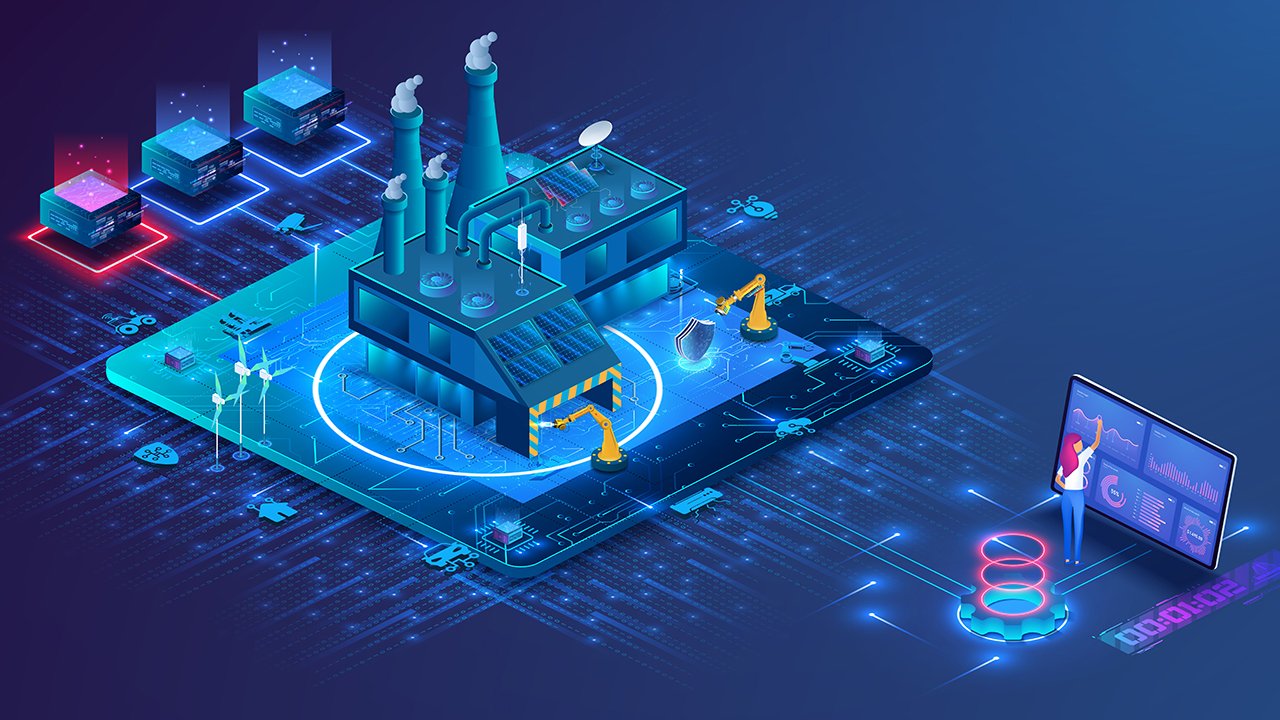
Digital twin technology is rapidly being adopted across a diverse range of industries including manufacturing, aerospace engineering, automotive systems, healthcare infrastructure, energy networks, and smart city development. In each of these sectors, digital twins serve as critical tools for monitoring system performance, simulating operational changes, and optimizing processes without requiring disruption to physical systems. This capability allows engineers and operators to test scenarios virtually before applying changes in the real world, significantly reducing risk while improving efficiency, reliability, and overall system performance across large-scale industrial environments.
In manufacturing environments, digital twins are used to optimize production lines by continuously analyzing machine performance, workflow efficiency, and resource utilization. They help identify bottlenecks, reduce downtime, and improve overall equipment effectiveness through predictive maintenance and intelligent scheduling. In aerospace systems, digital twins play a critical role in monitoring aircraft health, predicting component fatigue, and ensuring flight safety through continuous structural analysis. In urban infrastructure systems, they assist in managing traffic flow, optimizing energy distribution networks, and improving the efficiency of public utilities by providing real-time insights into system-wide behavior.
Digital Twins and Predictive Engineering
One of the most powerful capabilities of digital twin systems is their ability to enable predictive engineering, where future system behavior is estimated with high accuracy using a combination of real-time data and historical trends. This allows engineers to anticipate potential system failures, degradation patterns, and performance inefficiencies long before they become critical issues. By identifying these risks early, organizations can take preventive action that minimizes downtime, reduces maintenance costs, and improves the overall reliability and safety of engineering systems across their entire operational lifecycle.
By combining continuous real-time monitoring with AI-driven predictive models, digital twins significantly enhance the efficiency of maintenance strategies and operational planning. Instead of relying on fixed maintenance schedules or reactive repairs, systems can transition toward condition-based and predictive maintenance approaches that are dynamically adjusted based on actual system health. This reduces unnecessary interventions while ensuring that critical components are serviced exactly when needed, improving both cost efficiency and operational stability.
Conclusion
Digital twins represent a fundamental evolution in modern engineering methodology by shifting the focus from static design representations to continuously evolving, intelligent system models. By connecting physical infrastructure with real-time digital counterparts, they enable unprecedented levels of visibility, analysis, and control over complex engineering systems. This transition allows engineers to move beyond traditional boundaries of simulation and design validation, enabling a more integrated and dynamic approach to system management across multiple domains and industries.
As artificial intelligence continues to advance, digital twin systems are expected to become even more intelligent, incorporating deeper levels of simulation accuracy, autonomous decision-making, and predictive reasoning capabilities. InnerVisionEngineering aligns with this transformation by developing next-generation engineering intelligence systems that integrate reasoning, simulation, and real-world data into a unified framework. This approach enables the creation of adaptive engineering ecosystems that continuously evolve, learn, and optimize themselves throughout their operational lifecycle.
Leave a Reply